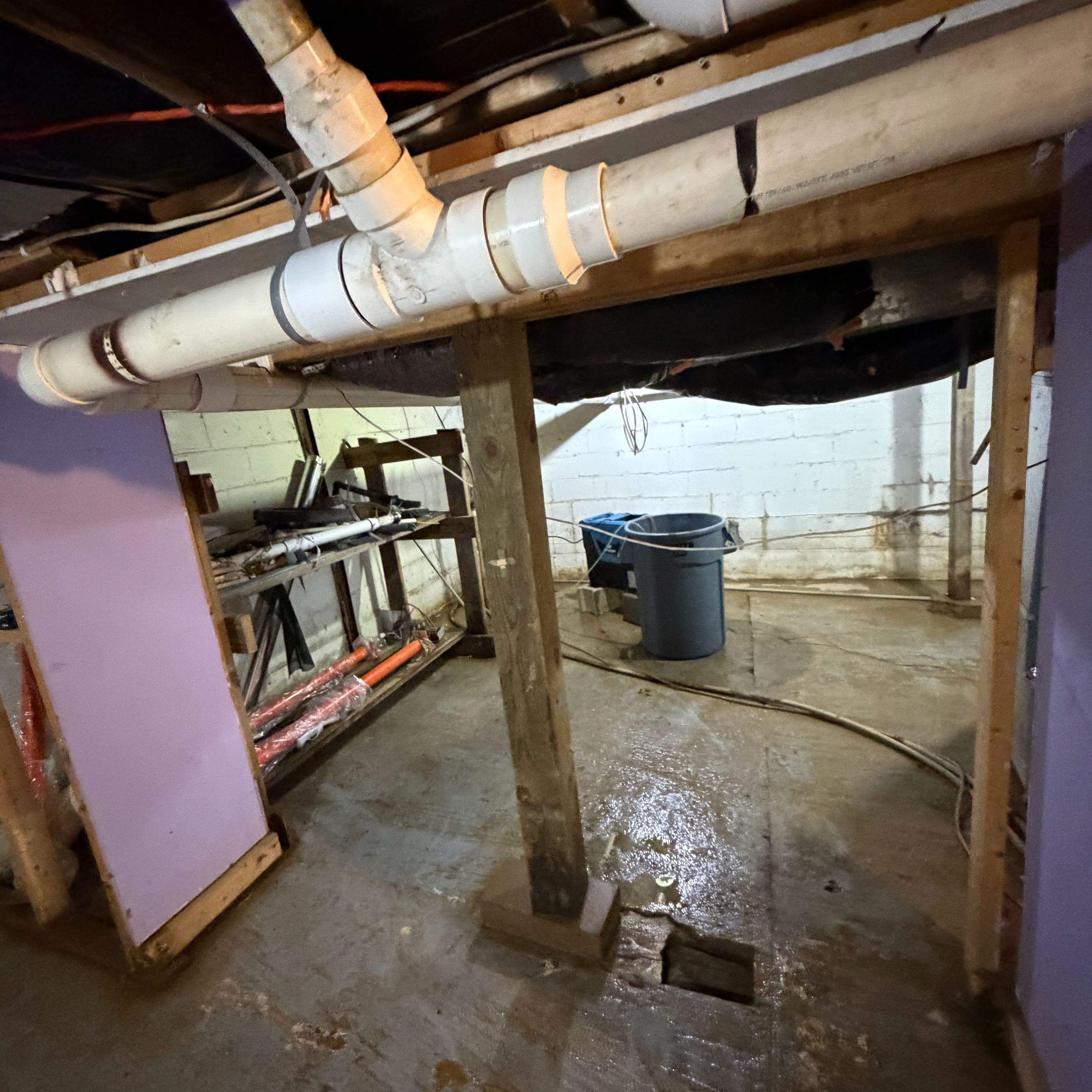
Quick Answer: What Emergency Water Removal Costs and How Fast We Arrive
Most Crooked Creek homeowners pay between $1,200 and $5,500 for standard water removal and structural drying. Severe losses involving sewage, multiple rooms, or saturated framing can run $7,000 to $20,000 or more. Crooked Creek Water Restoration targets a 60 to 90 minute arrival window inside Crooked Creek for active emergencies, with crews dispatched 24/7.
Emergency Response Times Across Crooked Creek
Response time depends on three factors: your location relative to our dispatch hub, current call volume, and road conditions during storms. Here is what to realistically expect.
| Scenario | Typical Arrival | What Happens On Site |
|---|---|---|
| Active leak, central Crooked Creek | 60 to 90 minutes | Source control, extraction begins |
| Outlying neighborhoods | 90 to 120 minutes | Same scope, slightly longer travel |
| Multi-property storm event | 2 to 6 hours | Triage by severity |
| Commercial after-hours | 60 to 120 minutes | Building access coordination |
What To Do Before the Truck Arrives
- Shut off the water at the main valve if the source is plumbing
- Kill power to affected rooms at the breaker if safe to reach
- Move electronics, photos, and documents to a dry floor
- Photograph everything, including standing water and damaged contents
- Do not walk through water near outlets or appliances
- Lift drapes, skirts, and bed linens off wet flooring to prevent wicking
- Place aluminum foil or wood blocks under furniture legs sitting in water
Our first steps after water damage guide covers each of these in more depth if you have a few minutes to read while waiting.
How Triage Works During Storm Surges
When a regional storm hits Crooked Creek, our dispatch board fills within an hour. Crews are routed by a simple priority order: occupied buildings with active flow first, then occupied buildings with standing water, then unoccupied properties with confirmed shutoff. If you call and we cannot reach you immediately, you will receive a callback with a realistic ETA and free instructions to limit damage in the meantime.
Equipment and Process
Water removal is not a wet vacuum and a fan. A proper emergency response in Crooked Creek uses calibrated equipment matched to the volume and material type.
Standard Deployment
- Truck-mounted or portable extractors rated for 100+ gallons per hour
- Low-grain refrigerant dehumidifiers, one per 500 to 1,000 sq ft
- Centrifugal air movers placed at 10 to 16 foot intervals
- Moisture meters and thermal imaging to map hidden saturation
- HEPA air scrubbers for Category 2 and 3 work
- Injectidry systems for wall cavities and hardwood floor assemblies
Drying Timeline
Most structural drying completes in 3 to 5 days when crews start within 24 hours. Past that window, mold colonization becomes likely. Review the 24 to 48 hour mold window if your loss has been sitting overnight. We log daily moisture readings in each affected room and only pull equipment when materials hit dry standard, which prevents the common problem of a job that looks done but leaves moisture trapped behind baseboards.
Pricing Breakdown by IICRC Category
The IICRC sorts water losses into three categories based on contamination level. Pricing follows directly from this classification because each category requires different protective gear, antimicrobials, and disposal protocols.
| Category | Source | Typical Crooked Creek Price Range |
|---|---|---|
| Category 1 (Clean) | Supply line, refrigerator line, sink overflow | $1,200 to $3,800 |
| Category 2 (Gray) | Dishwasher, washing machine, shower drain | $2,500 to $6,500 |
| Category 3 (Black) | Sewage, toilet backflow, flood water | $4,500 to $20,000+ |
What Drives the Final Number
- Square footage of wet materials including walls and subfloor
- Class of water intrusion (Class 1 light absorption through Class 4 deep saturation)
- Number of air movers and dehumidifiers required, billed per day
- Antimicrobial application for Category 2 and 3 losses
- Demolition of unsalvageable drywall, insulation, carpet pad, and cabinetry
- Content manipulation, pack-out, and storage if rooms need to be cleared
- After-hours, holiday, or weekend emergency dispatch surcharges
- Access difficulty such as second-story bedrooms, finished basements, or crawl spaces
Sample Job Costs in Crooked Creek
- Kitchen supply line burst, 200 sq ft affected, 3 days drying: roughly $1,800 to $2,900
- Washing machine overflow into a finished basement, 600 sq ft: roughly $3,500 to $6,000
- Toilet supply line failure across two floors with ceiling damage: roughly $6,500 to $11,000
- Sewer backup in a basement with pad and drywall removal: roughly $8,000 to $15,000
When to Call Versus Wait
Call immediately if you see any of the following in your Crooked Creek home or business:
- Standing water of any depth on a finished floor
- Water dripping through a ceiling or light fixture
- Wet drywall, baseboards, or carpet from a known leak
- Any contact between water and sewage, even minor
- A musty odor following a recent leak you thought was dry
- Buckling hardwood, peeling paint, or bubbling laminate near a known water source
Waiting a day to "see if it dries on its own" is the single most common mistake we see in Crooked Creek. By hour 48, drywall is wicking, pad is delaminating, and the job that could have cost $2,000 now costs $6,000 with mold remediation added. If you are unsure, a phone consult with Crooked Creek Water Restoration is free and takes five minutes.
Insurance and Documentation
Crooked Creek Water Restoration bills directly to most major carriers and works with your adjuster on scope and pricing through Xactimate, the industry standard. You should still understand what gets covered.
- Sudden and accidental water releases are typically covered
- Gradual leaks and seepage are typically excluded
- Sewage backups require a specific endorsement on most policies
- Flood from rising surface water requires separate NFIP coverage
Paperwork We Provide
- Initial loss assessment with photos and moisture map
- Daily drying logs with meter readings per room
- Itemized Xactimate estimate matched to your policy line items
- Certificate of completion once dry standard is verified
For policy language and claim sequencing, our water damage restoration service page outlines the full process from first call to certificate of completion.