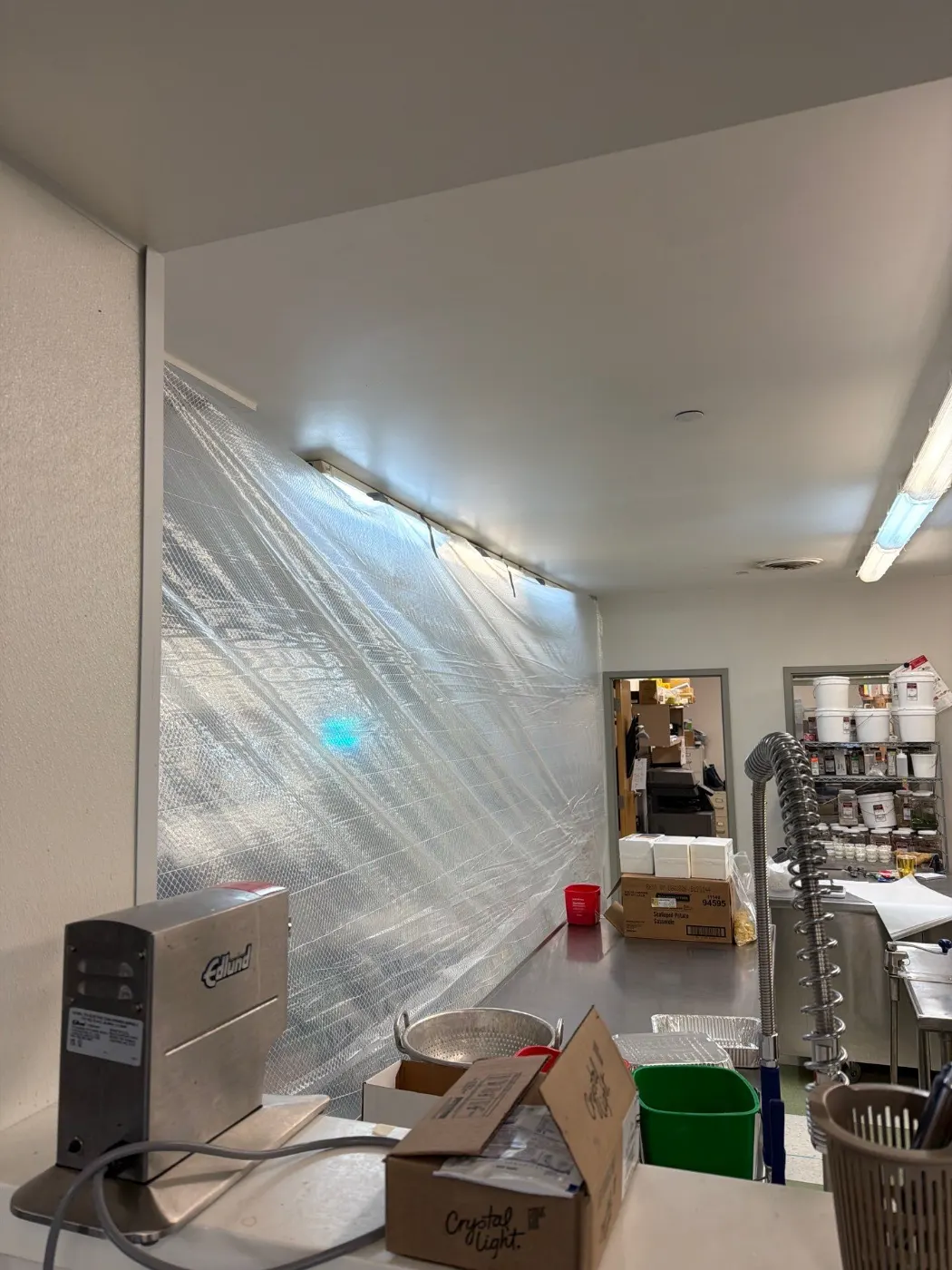
Basement Flooding in Crooked Creek, IN
Every Crooked Creek basement Crooked Creek Water Restoration dries comes with a moisture map and daily logs.
Crooked Creek Water Restoration is the Crooked Creek call for Basement Flooding: emergency crews around the clock, moisture readings instead of guesswork, and insurance files built properly. Call (317) 342-7736.
- Service: Basement Flooding for Crooked Creek homeowners
- Service area: Crooked Creek, IN and surrounding areas
- Response time: Emergency calls from Crooked Creek dispatched immediately, day or night
- Licensed and insured (License #RC21100059)
- Serving Crooked Creek, IN since 2018
Basement Flooding Cleanup in Crooked Creek
If your basement in Crooked Creek has water in it, we'll pump it out and dry the space to a measured standard.
Basements Here
Most Crooked Creek homes went up in the 1950s and 1960s, and shallow basements and slabs are common under the ranch homes.
Where the Water Comes From
Homes near the creek of the same name face added flood risk after heavy rain. Many basements here depend on a sump pump to stay dry, so a pump that quits during a storm can flood the space fast.
Our crews work all over Crooked Creek, from Crooked Creek Heights to the streets near North Central High School and the Indianapolis Public Library Michigan Road Branch. Nearby, we also pump out basements in St. Vincent-Greenbriar and College Park.
Expert Basement Flooding for Crooked Creek Homeowners
A washer supply hose that splits or a standpipe that overflows can run a long time before anyone notices, particularly when the laundry area sits at one end of a finished basement. By the time you find it in Crooked Creek, the water has usually reached the next room. Crooked Creek Water Restoration follows it with moisture meters to the last wet wall.
Crooked Creek Water Restoration writes your basement scope line by line, with a reading or a photo behind each item. You can compare it apples to apples with any other estimate for your Crooked Creek home. If another bid removes more drywall or more flooring, ask for the readings that support it, since every line should match what the meters found in your basement.
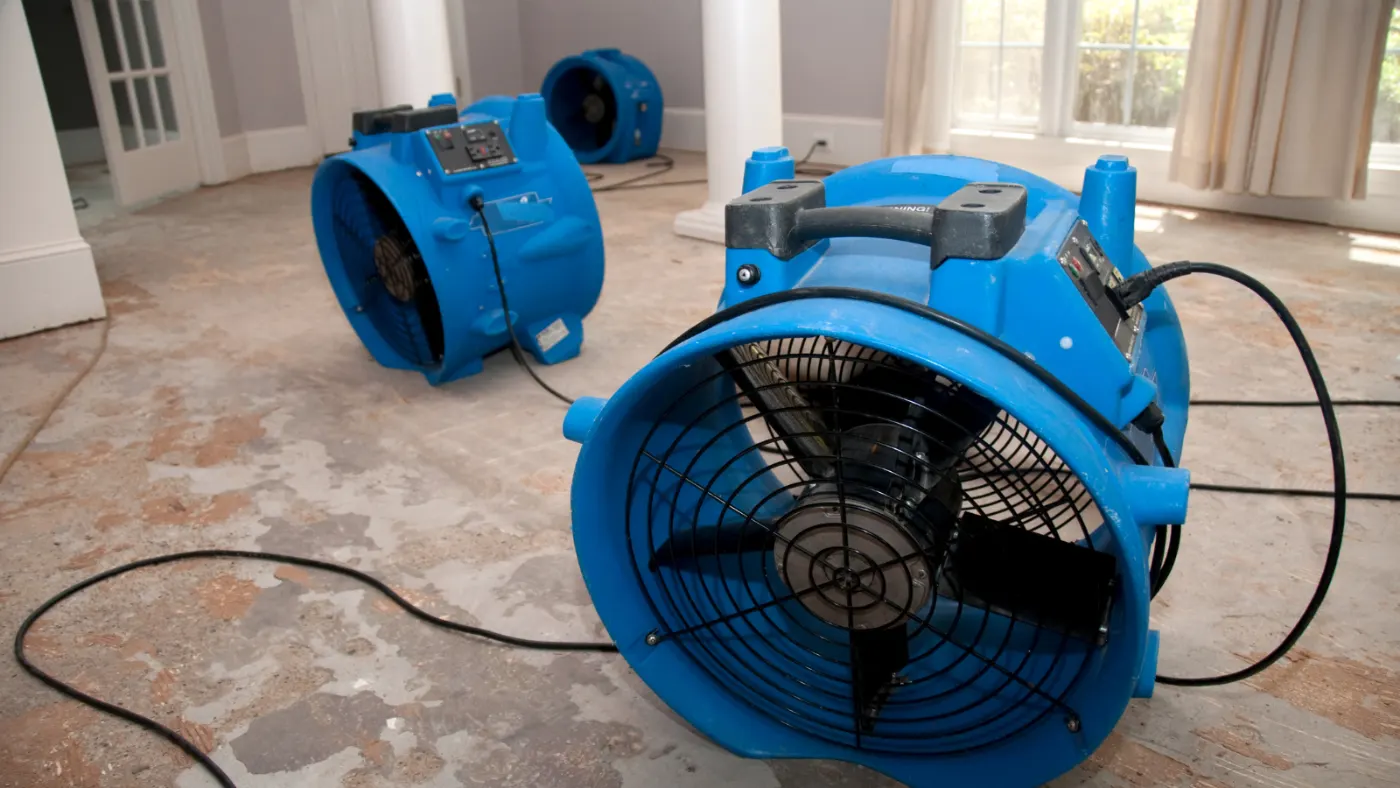
Powering the equipment safely comes first on a flooded basement in Crooked Creek. The crew checks the panel, then runs GFCI protected power down from a dry circuit upstairs so no cord crosses standing water. Pumps go in first, and the drying equipment gets its own circuits, which keeps the breakers from tripping overnight.
Coverage for a wet basement depends on your policy and on where the water came from, so read the water and backup sections of yours or ask your agent. Crooked Creek Water Restoration documents the cause, the path and the timing in your Crooked Creek basement with a photo report and walks you through it, so you can decide with your insurance company. The report also lists every material that came out.
Crooked Creek Water Restoration answers basement water calls in Crooked Creek 24 hours a day and dispatches within two hours. The crew extracts the water, dries the space and checks it against dry readings, and the rebuild can follow once it clears. Call now for an inspection at no charge and a moisture map of what's wet.
Signs You Need Basement Flooding Cleanup
If you notice any of these in your Crooked Creek home, schedule a free inspection before the issue worsens.
A damp line along the seam where the basement floor meets the wall, darker after a long rain
Battery backup alarm sounding on the sump pump, or a backup battery that ran flat in an outage
Water showing up in the same corner of the Crooked Creek basement every time the ground stays saturated
A sump pump that cycles every minute or two, which usually points at a failed check valve
Batt insulation sagging out of the stud bays, darker and heavier along the bottom edge
Baseboard swollen and pulling off the wall, with paint lifting in the bottom few inches of drywall
Mortar joints in the foundation wall that feel damp or crumble when you press a thumb into them
Horizontal stain line on the walls a few inches above the floor, left by receding water
Hardwood on the floor above the basement cupping or crowning along the board edges
Wet window sill with a stain on the wall just below it in your Crooked Creek basement
How Crooked Creek Water Restoration Handles Basement Flooding
We follow these steps in order on every Crooked Creek job.
Water Extraction
Submersible pumps take the standing water off the slab, then weighted extraction tools pull what the carpet and pad are holding. Hard floors get squeegeed toward the low point, and water trapped behind baseboard comes out through controlled openings in the wall.
Scope Review
The crew walks the moisture map of your Crooked Creek basement with you and explains what can dry in place and what has to come out. You approve the scope in writing before any drywall is cut, and any change comes with new photos and readings.
Controlled Removal
Drywall that wicked water gets cut at a measured height, wet batt insulation comes out of the bays and gets bagged, and carpet pad goes out. Material the meters show dry stays in place, and every removal gets photographed before it happens.
Daily Monitoring
A technician returns every 24 hours while drying runs, takes readings at the same marked spots, compares room humidity against the day before, and moves equipment as the wet area shrinks. Any change to the scope arrives with photos and a conversation.
Records Handoff
You receive the photo report, the moisture map, the daily logs and the equipment record for your Crooked Creek basement in one file. The crew goes through it with you and answers questions about any line, so you can use it with your insurance company.
Basement Flooding in Crooked Creek
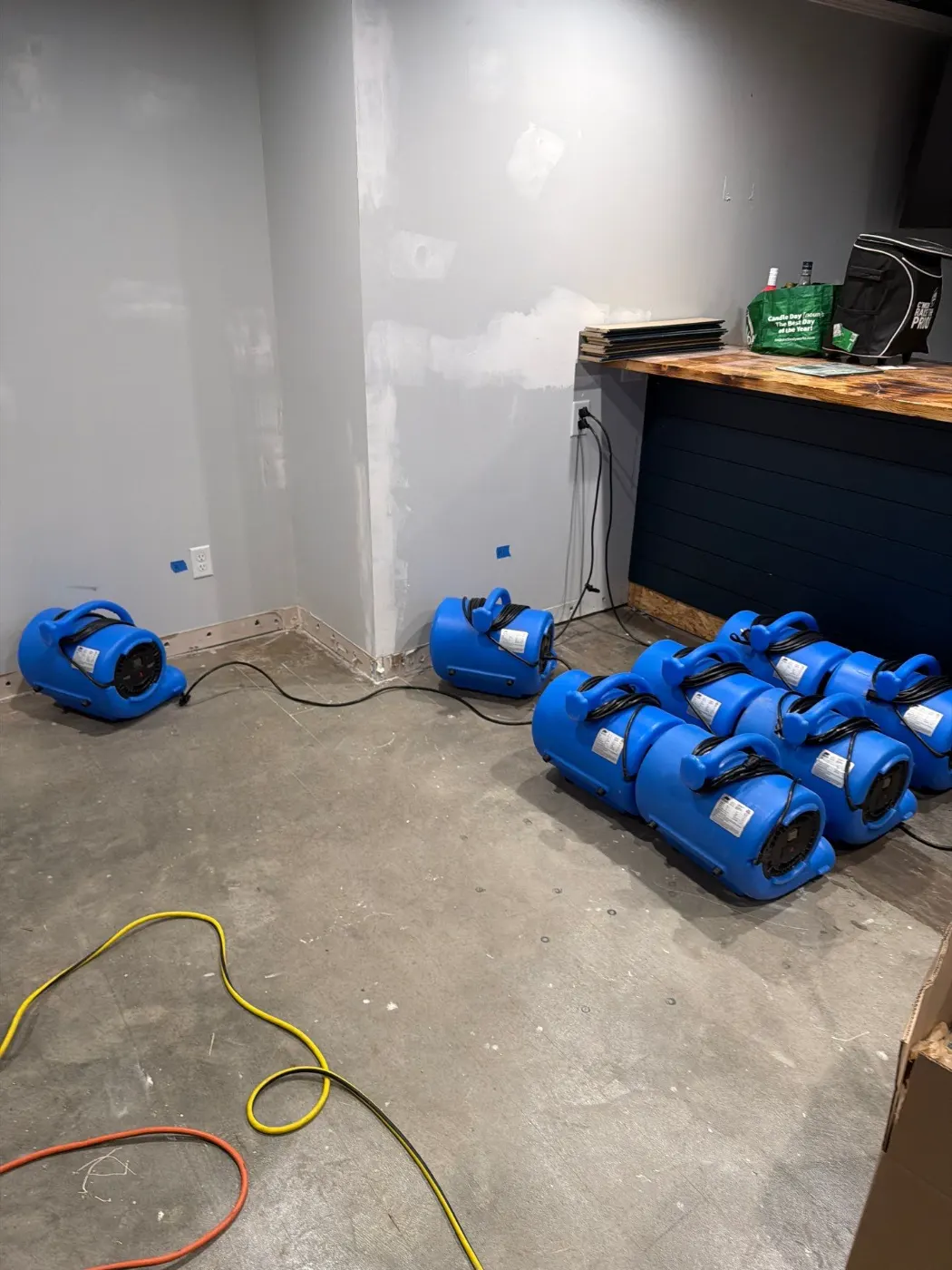
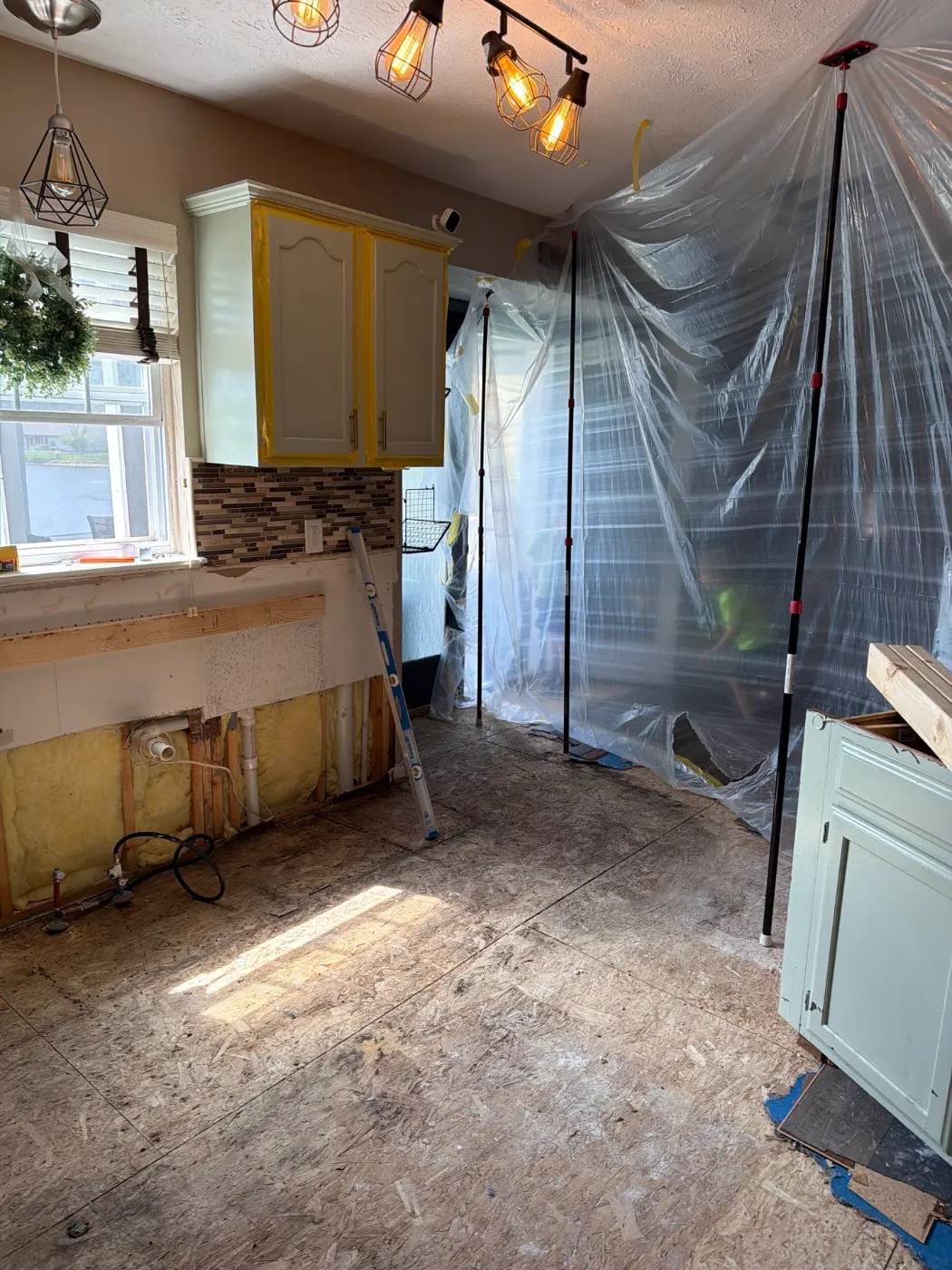
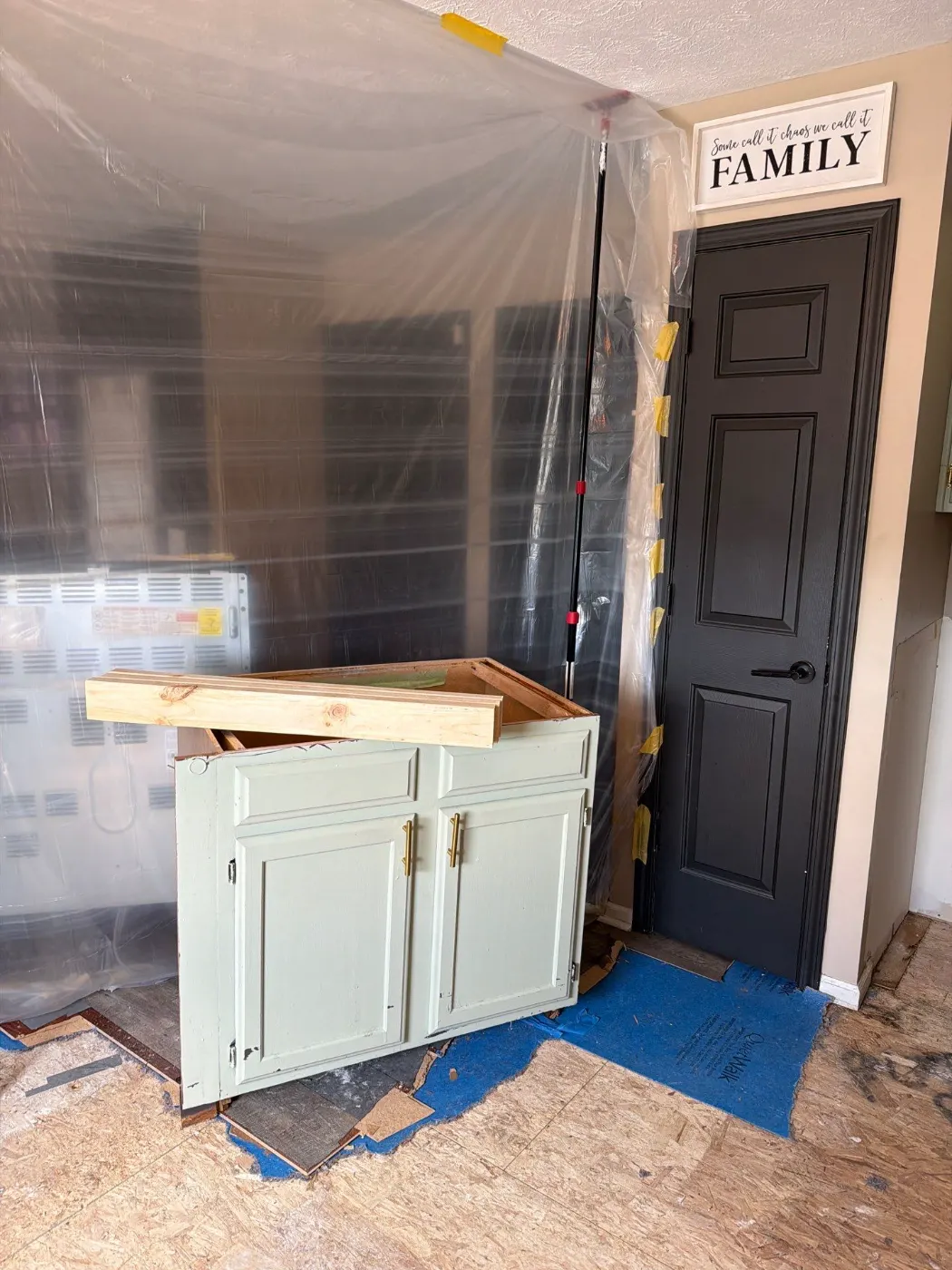
Photographs from real basement flooding jobs completed by our crew in Crooked Creek and surrounding areas.
Basement Flooding FAQ
Questions Crooked Creek homeowners ask us about basement flooding cleanup.
Guidance and Standards for Basement Flooding
- EPA advises drying water damaged areas and items within 24 to 48 hours to prevent mold growth. EPA: A Brief Guide to Mold, Moisture and Your Home
- Ready.gov notes that homeowners insurance policies don’t cover flooding, so check what your own policy says. Ready.gov: Floods
Crooked Creek Neighborhoods We Serve
We take basement flooding calls in every part of Crooked Creek. Pick your neighborhood for local details.
Other Restoration Services in Crooked Creek
Crooked Creek Water Restoration handles the full scope of restoration work. Explore our other services below.
Water Damage Restoration in Crooked Creek
24/7 emergency response. IICRC certified water restoration from extraction to full dry out.
Learn more →Sewage Cleanup in Crooked Creek
Category 3 biohazard cleanup. Full containment, decontamination, structural restoration.
Learn more →Storm Damage in Crooked Creek
Storm related water emergencies. Tarping, extraction, drying, and full restoration.
Learn more →Request Basement Flooding Cleanup
Reach Us Directly
Our team is available 24/7 for emergencies and ready to schedule inspections during business hours.
Need Immediate Help?
For active water or mold emergencies, call us directly. We are available 24/7.